
Join & Thrive
“Everyone would be better off if everyone could cooperate,” Robert Putnam wrote in 1993 and expounded in his seminal book, Bowling Alone (2000). If this sounds like Bahala’s mission to create a more connected Santa Monica, you’re right. “Putnam's research and Rebecca and Peter Davis’ Emmy-nominated documentary honoring his work, Join or Die, were a big part of Bahala’s origin story, inspiring Carlo to create an organization that serves as the connective tissue in our community,” Deb Burgin said.
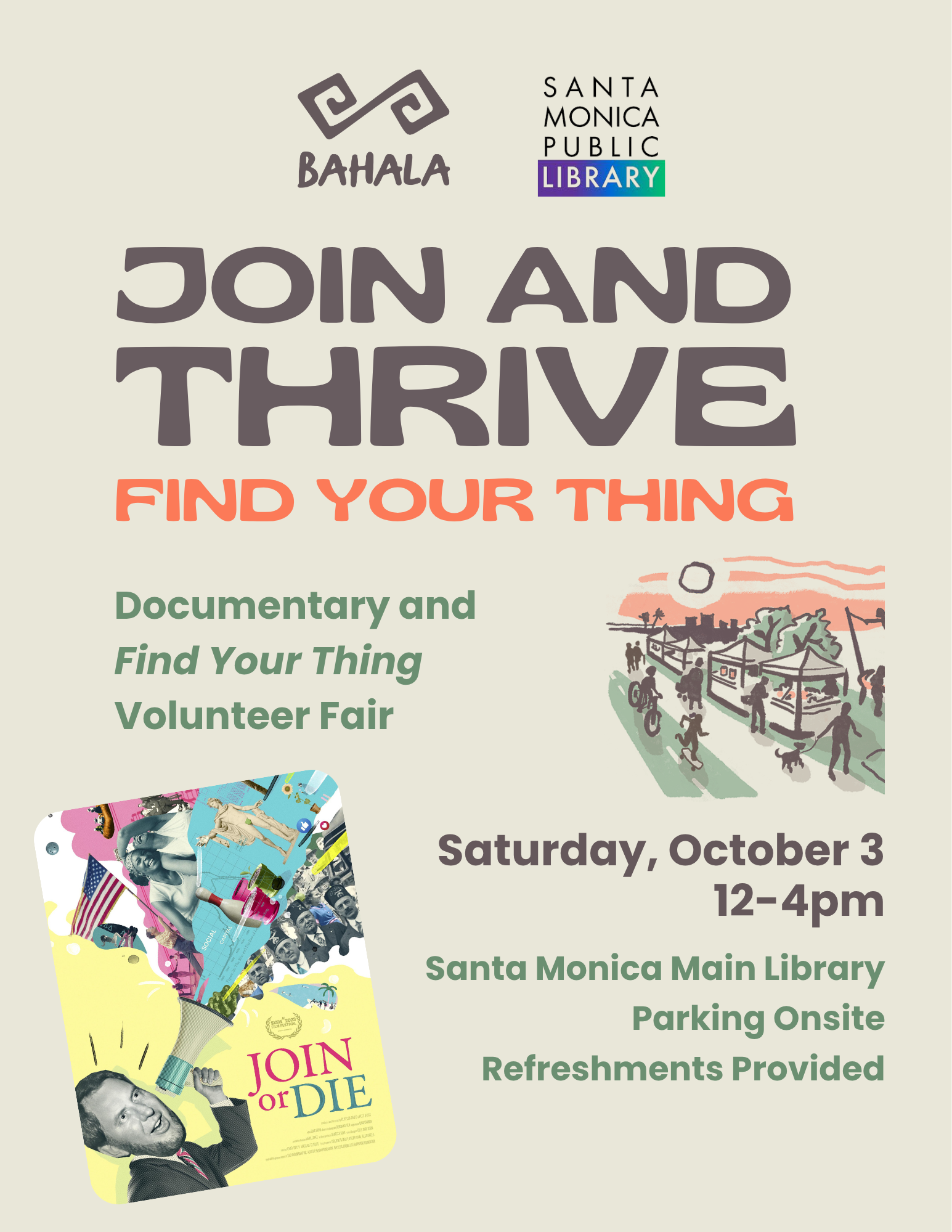
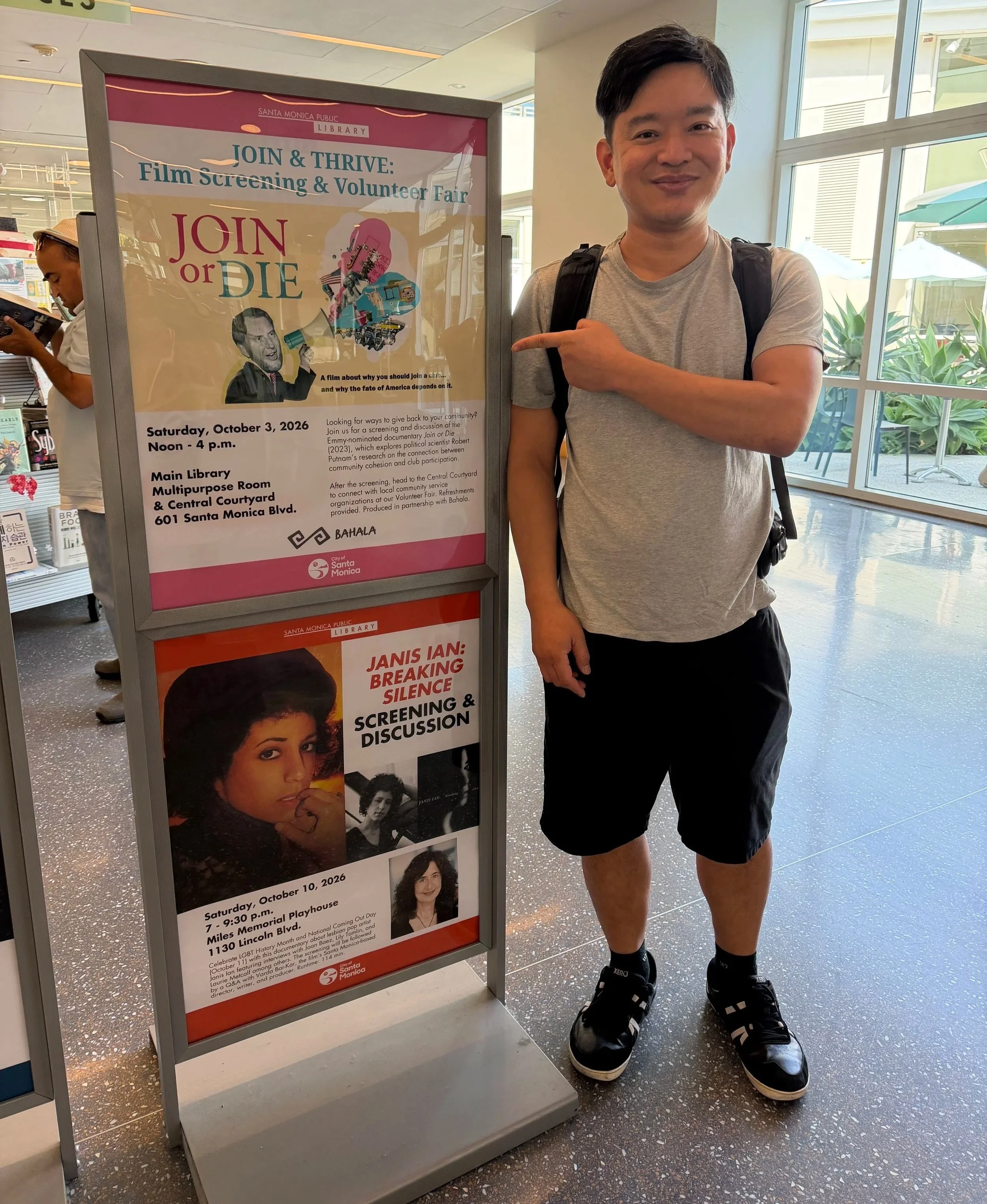
In a full-circle moment, this Saturday, October 3, 2026, from 12-4 p.m., Santa Monica Public Library will cohost Bahala’s Join & Thrive program, featuring a screening of the film Join or Die. Discussion and activities inspired by the documentary will follow, including a Volunteer Fair tabled by community groups and nonprofits. “The Join & Thrive event epitomizes partnership,” Burgin explained. “From planning and developing the event step by step with Santa Monica Public Library, to partner nonprofit organizations providing information and volunteer opportunities to attendees, to community members showing up!”
Director of Library Services Erica Cuyugan’s excitement is palpable. “I’m grateful that we can partner with Bahala, an organization that is dedicated to fostering civic connections through fun, organic programming,” she enthused. “Witnessing community organizations genuinely connect with folks at the Volunteer Fair will be thrilling, an on-the-ground distillation of the Library’s mission to cultivate curiosity, build connections, and empower our community.”
Librarian Jeff Kaplan emphasized public libraries’ role as community centers, not simply places with books. “I hear from so many people who want to contribute locally, but don’t know where or how to begin. The Volunteer Fair will offer curated choices and a non-intimidating space for asking questions and gathering information. “The library itself is a resource. To learn more about something or to join an existing group, check out our calendar of events. If you don’t see the workshop you want, use this form to propose your own,” Kaplan said.
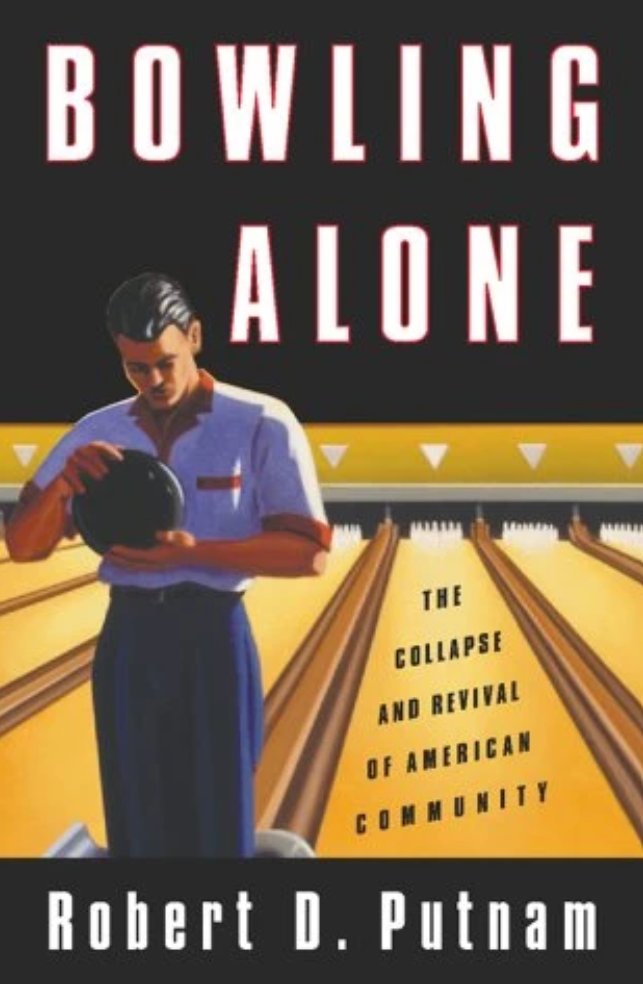
Kaplan studied Bowling Alone while pursuing his Master of Library and Information Science. “I worked in so many industries before realizing I wanted to use my labor to enrich my community, not a corporation. Putnam’s work, among others, put words to that calling,” Kaplan said. “Public libraries are essential bulwarks against the collapse of compassion. I’m excited to see the documentary based on his work, which so powerfully underscores the relationships between healthy communities and seeing each other’s humanity, no exceptions.”
Join or Die filmmakers Peter and Rebecca Davis have a personal connection to Robert Putnam: he was Peter’s professor at Harvard. In 2017, when Putnam announced his retirement, the siblings decided to film his classes so that others could experience them. The hunger for real solutions to counter despair after a splintering election cycle, and the pandemic that followed three years later, widened the project to encompass the world beyond the classroom. “I think we only kept in about 45 seconds of Dr. Putnam directly teaching his students,” Rebecca Davis said. “But his ideas about community health that have now stretched across so many disciplines all started with his academic research.”
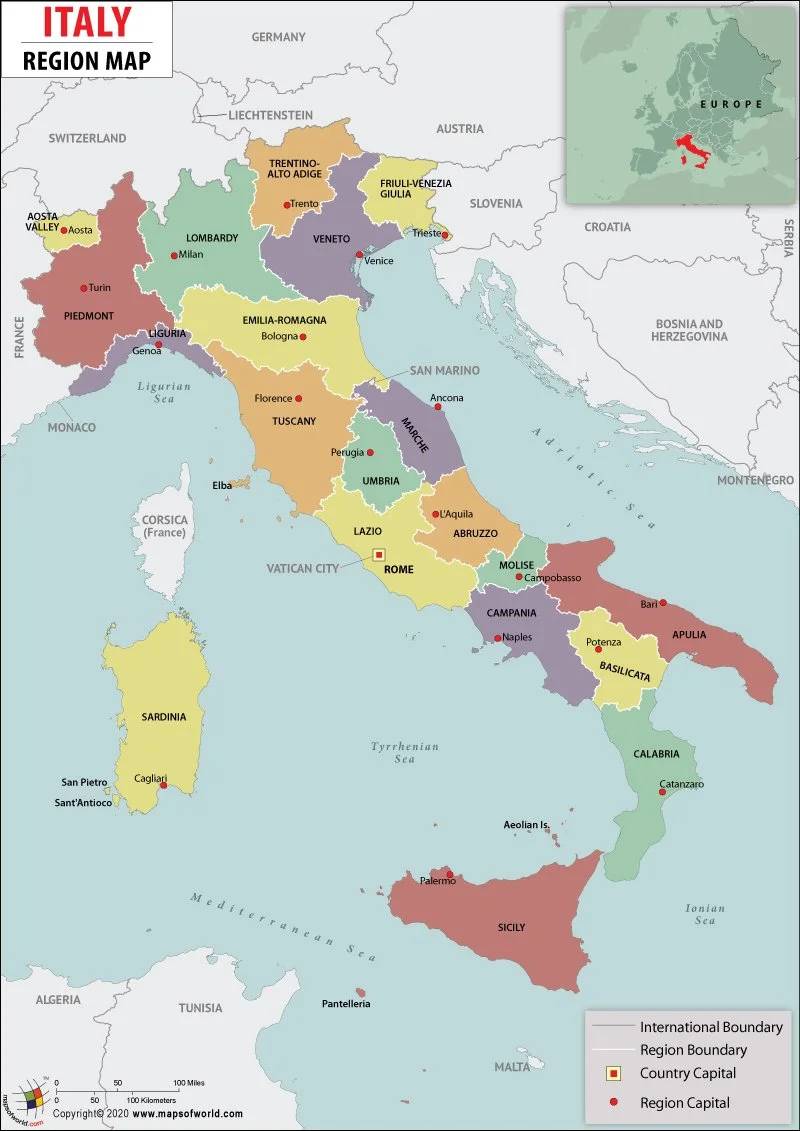
In the 1970s, when Putnam studied newly formed Italian municipalities designed to be uniformly successful, his data revealed surprising disparities. Affluence and prosperity had no direct effect; instead, participation in activities ranging from choral societies, literary circles, non-partisan groups offering voter information, and soccer clubs signalled the health of a specific region. The more people joined each other’s clubs, the more trust they built in each other and in their civic institutions. In other words, their collective engagement in ways large or small banked up social capital, the connectedness among people and the trust and reciprocity that follows. As our most precious resource, social capital increases rather than decreases through use. In fact, social capital becomes depleted if it’s not used.
Rebecca Davis suggested starting with one other person with an openness to welcoming more. “Clubs can be about anything anyone is passionate about, and finding one other person who shares that interest,” she said.
The film includes a variety of groups across the country: Odd Fellows #80, a fraternal order, Plainsong Ministry, Red, Bike, and Green, a Black cycling group in Atlanta, an indigenous mutual aid org, CIELO, and the Chicago Gig Alliance organizing for workers’ rights.
All these groups showcase variations of organized reciprocity, communal solidarity, and “richness as a result of civic-ness” that build the kind of trust that ripples outward. In other words, social capital—wealth measured by community contribution and shared responsibility, rather than private financial accumulation. Raj Chetty, a Harvard economist who’s bringing Putnam’s work forward, created a tool to measure the social capital of a particular community. You can check yours out by county or zipcode (mid-city Santa Monica’s is a decent 54.8).
Back home in the States, Putnam realized that though people were bowling more, there were diminishing numbers of bowling leagues. Which led to more isolation, polarization, lost abilities to disagree respectfully—the bedrock of a diverse democracy—and debilitating loneliness.
Join or Die as a title underscores the stakes of being in community versus isolating ourselves in our homes or online silos and the effects on our physical, emotional, and mental health. But the title isn’t meant as a whip or scare tactic. Forcing oneself to do something isn’t the goal. Instead, the film’s message is inspiring and doable: follow your nose to find your people.
The pandemic began 20 years after Bowling was published. “This unwanted experiment exposed how much we need people, outside those we live with,” Rebecca Davis said. “Putnam calls it ‘connections plus accountability’—a mixture of the more effortful ‘bridging’ (ties to people who are different than us) and ‘bonding’ (ties to people like us).”
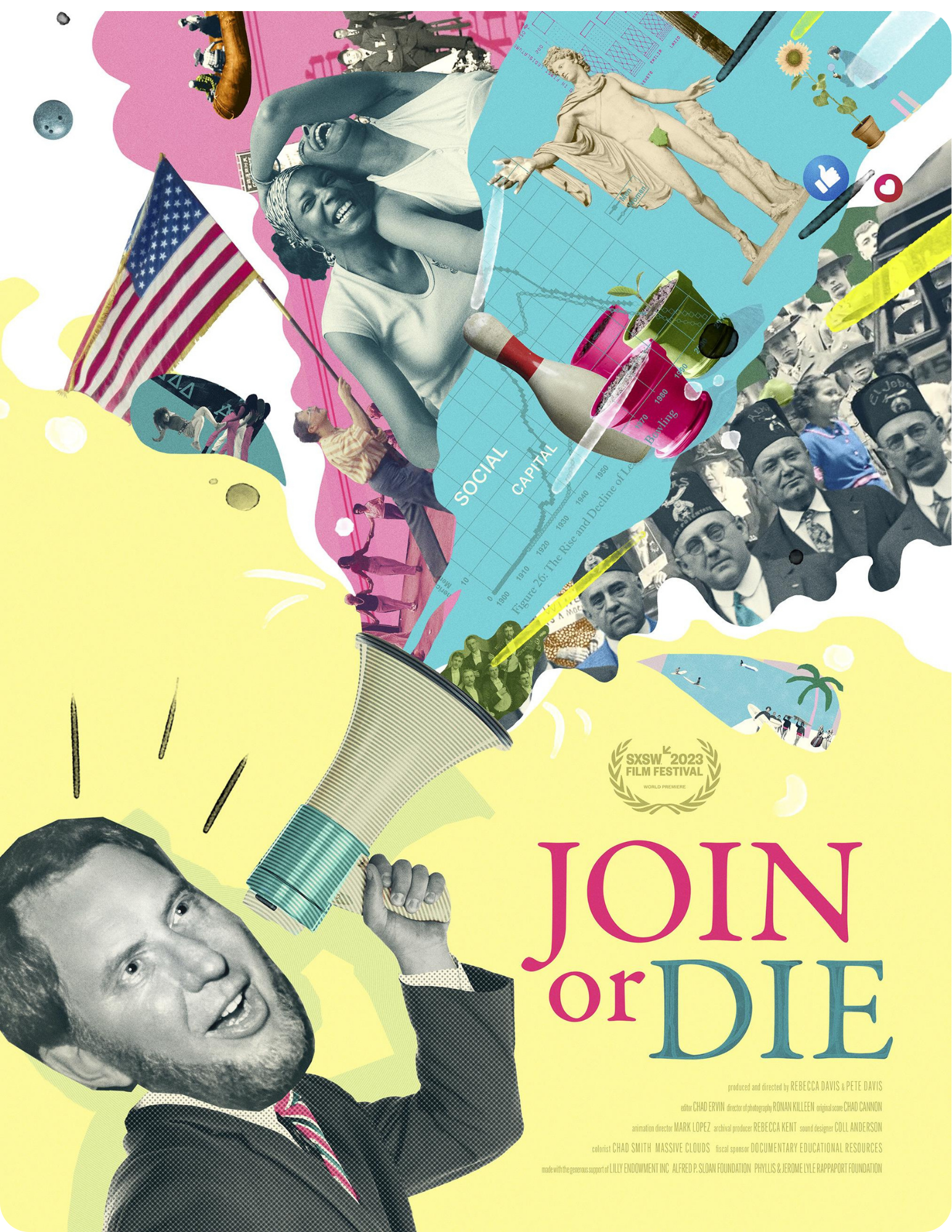
When the Davises released the film in 2023, it was more relevant than ever. Our collective social muscles had atrophied. Many younger people didn’t have a strong social foundation to return to. “Few of us are born knowing how to be in a group, just as we don’t know how all the machines work in a weight room,” Rebecca Davis said. “But we can always get stronger through repetition. And we don’t have to learn every exercise to reap benefits from the practice.” As Putnam observed, “Members of choral societies participate because they like to sing, not because participation strengthens the social fabric. But it does.”
A year after our most recent divisive election, Putnam appeared on The Daily Show. He encouraged people to find the common ground, and extended the metaphor with an anecdote about his politically divided New Hampshire neighbors helping each other with snow removal.
Featured in Join or Die, Professor Eddie S. Gaude, Jr., uses the term “foundational ground” for local clubs, civic associations, and religious organizations that offer crucial training for leadership skills. These spaces provide ordinary individuals, including those from historically marginalized or impoverished communities, opportunities to practice essential public skills such as organizing people and events, giving public speeches, and negotiating and motivating a room.
If we move away from some types of community spaces, we need to find others. Otherwise, we risk losing the “ground floor” infrastructure that teaches people how to participate in a healthy democracy.
Whether we’re developing online tools to bolster our communal health, “re-training” social skills by volunteering or joining a club, or attending events like Join & Thrive that hit all the benchmarks simultaneously and joyfully, enhancing our individual lives with the collective reaps mutual benefit. As Putnam reminds his students in the film, “You create the world you want, and working together within a structure created by social capital makes individual and coordinated successes far more likely.”
Bahala aims to build the community we want, and believes that Join & Thrive is a step in the right direction. Bahala is especially grateful to partner with SMPL on Join & Thrive, an event we hope will become an annual tradition. Cuyugan agreed: “We hope all who attend will learn something new, meet someone new, or join something that interests them.”
Jessica Cole
