
Small Acts of (Art) Kindness: Card-Making
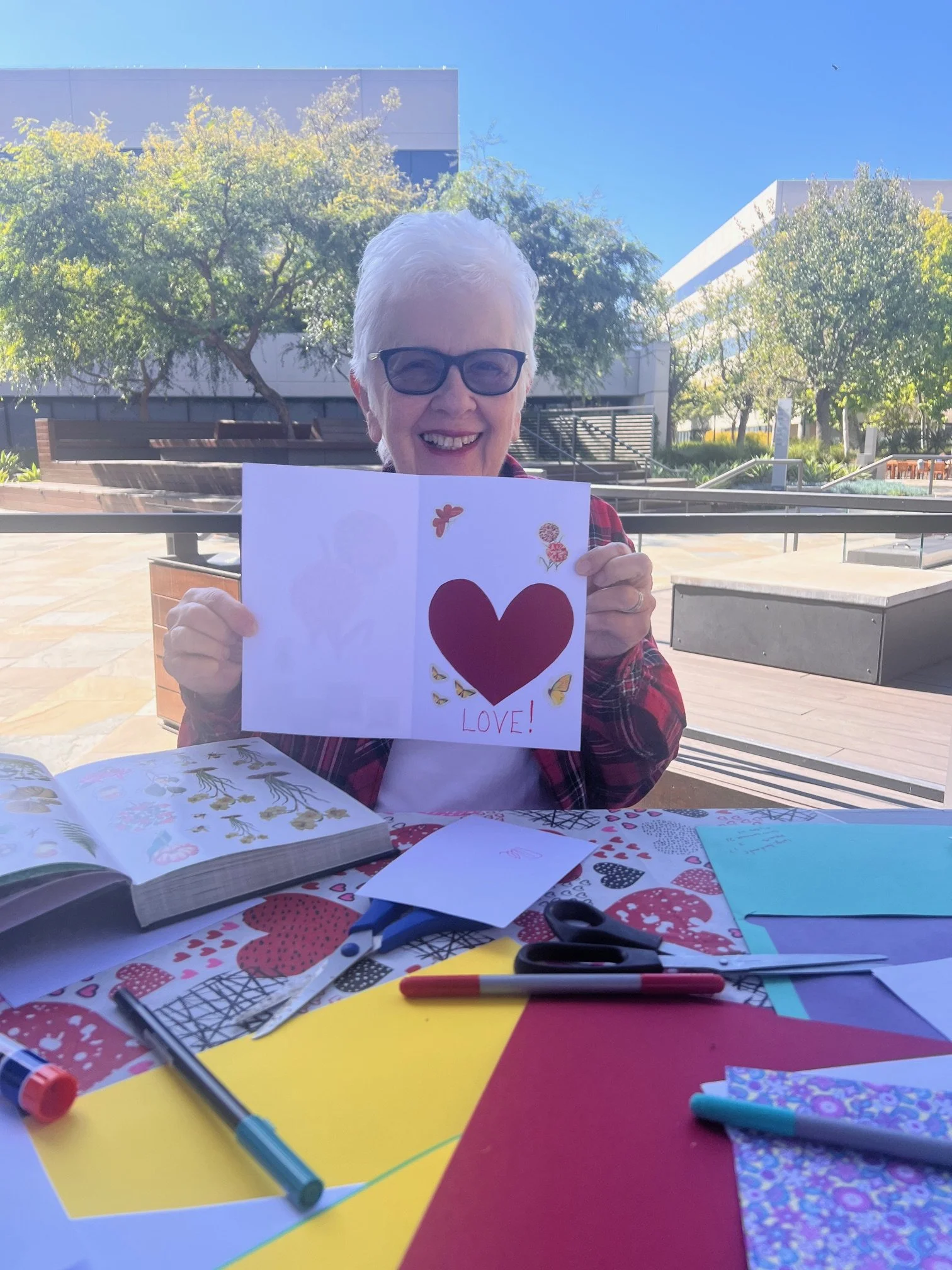
Letterwriting is having a moment.
One of the buzziest novels of the season, The Correspondent, Virginia Evans’ debut, is epistolary, a book comprised entirely of letters. Familiar from classics such as Bram Stoker’s Dracula, Jane Austen’s Persuasion, and Mary Shelley’s Frankenstein, telling someone a story in this form feels especially, intimately human. Perhaps it’s the direct address, the bespoke audience of one we feel privileged to “overhear.” In the late Roman Empire, epistolography, the art of letter writing, eclipsed oral traditions, despite people’s distrust of “new technology.” Sound familiar?
Meanwhile, a multitude of recent studies extol the benefits of injecting handwriting moments into our days. Stationary sales are on the rise. Letterpress—a style of artisanal printing—is trending.
Our postboxes haven’t caught up, filled as they usually are with junk mail and takeout menus, rather than anything personal. But we’re all feeling the pull towards the authentic, which includes the imperfect, even messy, handmade ways of interacting with each other. Something as simple as a homemade card can be a meaningful way to remind people that they are seen, valued, and loved.
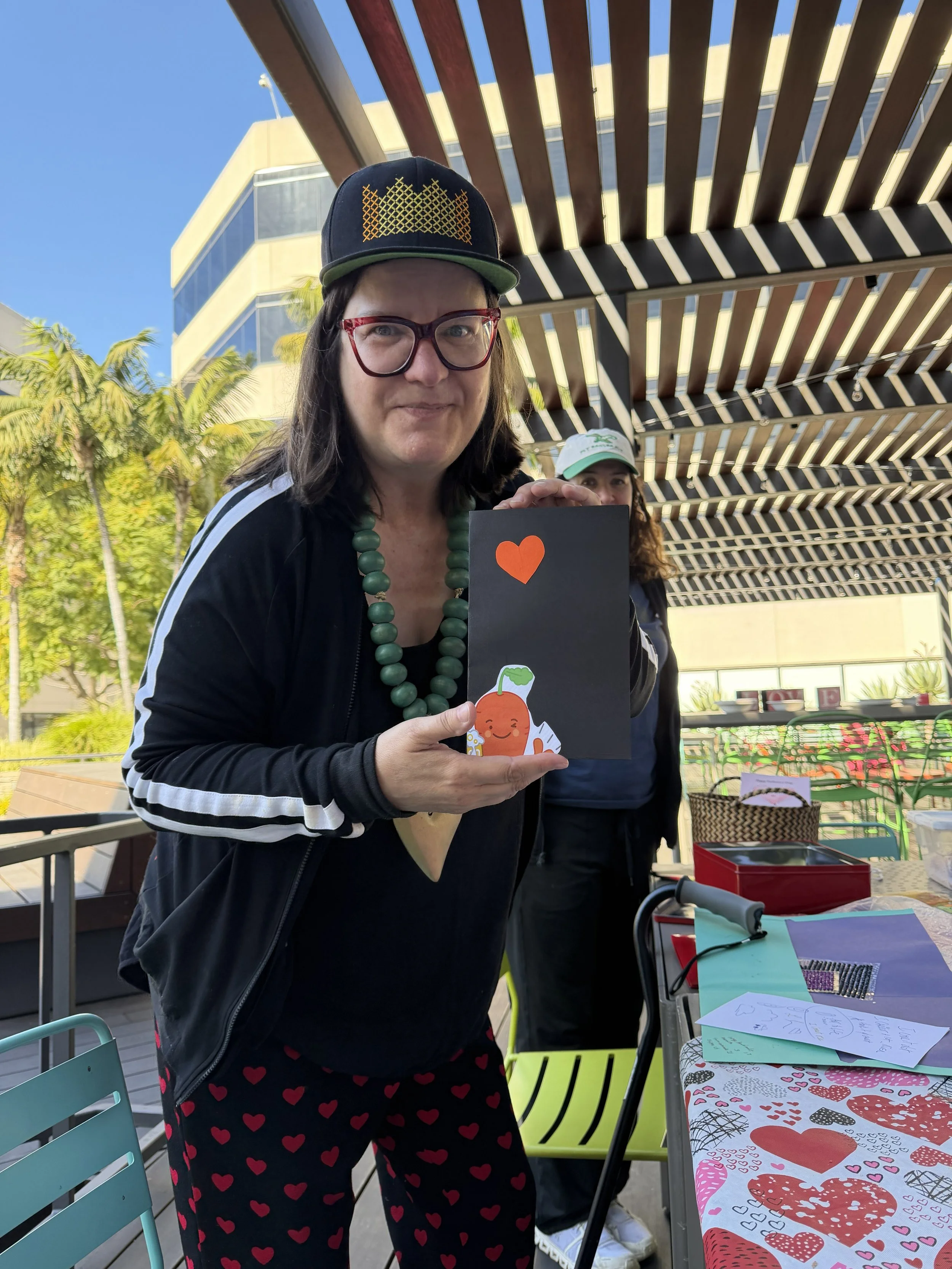
After the loss of her father, Mel found herself searching for ways to process grief while staying connected to others. What emerged was a practice rooted in creativity and compassion: making “heart art” cards. Handmade notes as an antidote to loneliness and digital disconnection.
For Mother’s Day at a senior home, Mel facilitated an event where volunteers created cards and gave them away on the spot. For many recipients, these cards weren’t simply nice gestures but emotional anchors,a simple message reminding them that they mattered. Those able to join in the drawing, cutting, and pasting felt inspired to create their own missives.
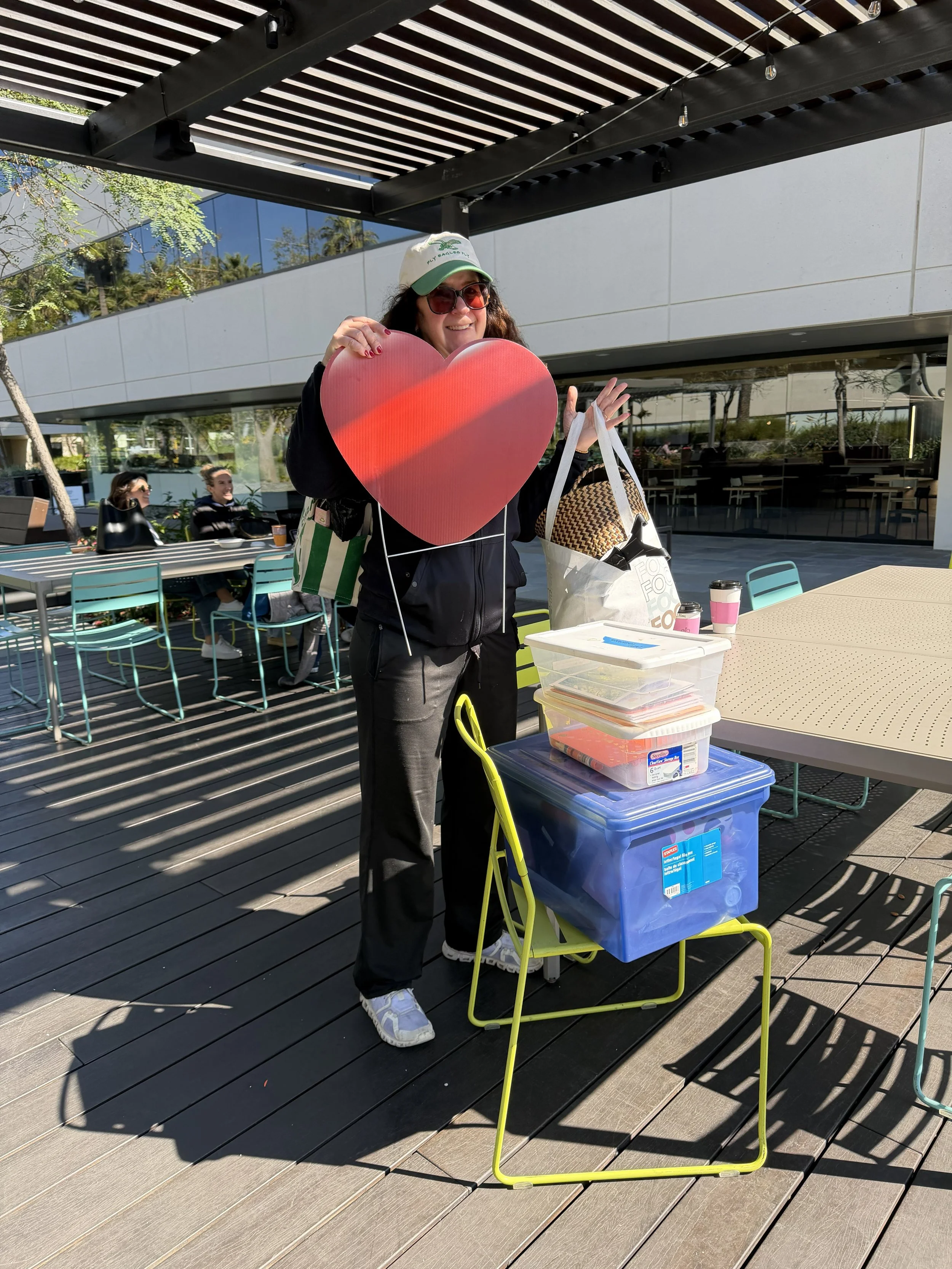
What started off small grew through collaboration with friends and organizations that share a similar spirit of giving. Tamra, who started the initiative 52 Ways to Give Back with her daughter, brought another layer of intention to the work—encouraging consistent, year-round acts of kindness. Jane joined the group and introduced the idea of making cards to give out through Saint Margaret's Center. Creativity could become a form of service, something accessible to anyone.
Through partnerships with community groups, the initiative has reached even more people. “We did a card-making activity with Bahala for Valentine’s Day,” Tamra says. “Help for hearts from our hands,” Mel adds. Those gathered wrote love notes for themselves and their family members, as well as adding to a collective pile distributed to people suffering with homelessness, for instance. The accumulation of open-hearted encouragement, reminding others that they aren’t alone, felt more mountain than molehill.
The act of making the cards is just as meaningful as receiving them. Rooted in principles similar to art therapy, the process invites participants to slow down, breathe, and create with intention. Phrases like breathe in peace, breathe out love often guide the experience, turning it into a moment of reflection and emotional release.
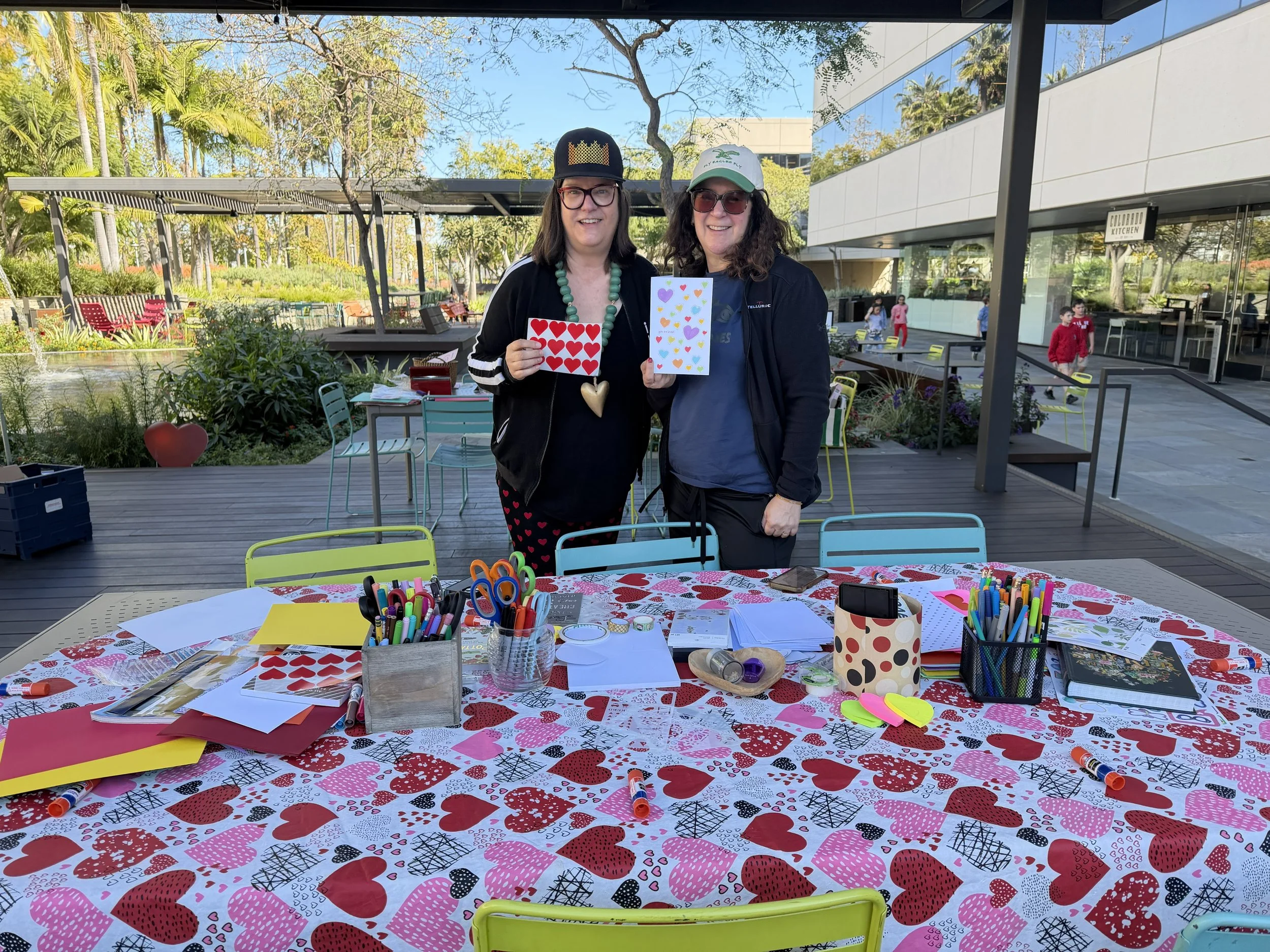
Not knowing who’s going to receive what we make adds rather than detracts from the experience. In daily life, we often aren’t aware of lighting each other’s hearts, and this practice felt similar—more intentional but just as magical as the wind distributing seeds. Again and again, stories emerge of how deeply these small pieces of art resonate. A stranger’s words can arrive at exactly the right moment, lightening their emotional load—or even shifting perspective in a lasting way. Tom Bagamane, founder of The Giving Spirit, told Jane: “Unhoused folks very much appreciate the warm socks and sunscreen in the backpacks we give out. But even I was surprised by how often they expressed specific gratitude for the love notes written by community members.”
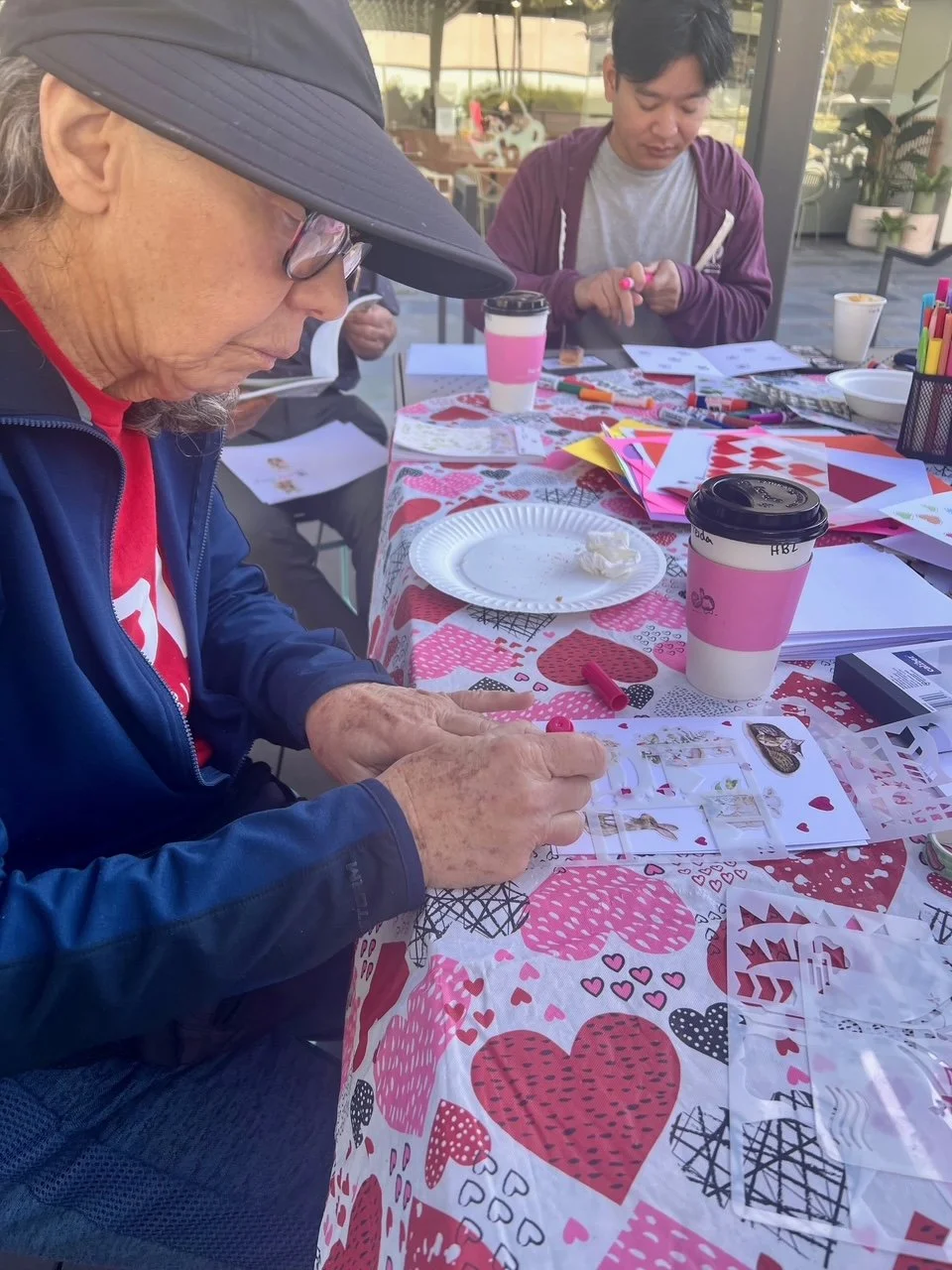
At its core, this is what Mel, Tamra, and Jane call “love activism.” It’s the practice of showing up with intention, using creativity as a tool to spread kindness, and trusting that even the smallest act can ripple outward.
In a time when it’s easy to feel disconnected, these simple cards serve as tangible proof that we all belong to one another. And sometimes, all it takes to remember that is a few heartfelt words, made by hand, and shared, could lift a loved one’s sadness or spark a stranger’s smile. In essence, the practice equates people we know and those we’ve never met, transforming strangers into people we give love to—in other words, “loved ones.”
Jessica Cole